Gold & Silver Jewelry Purity Explained:
What Do 925, 14K, 18K and Other Markings Mean?
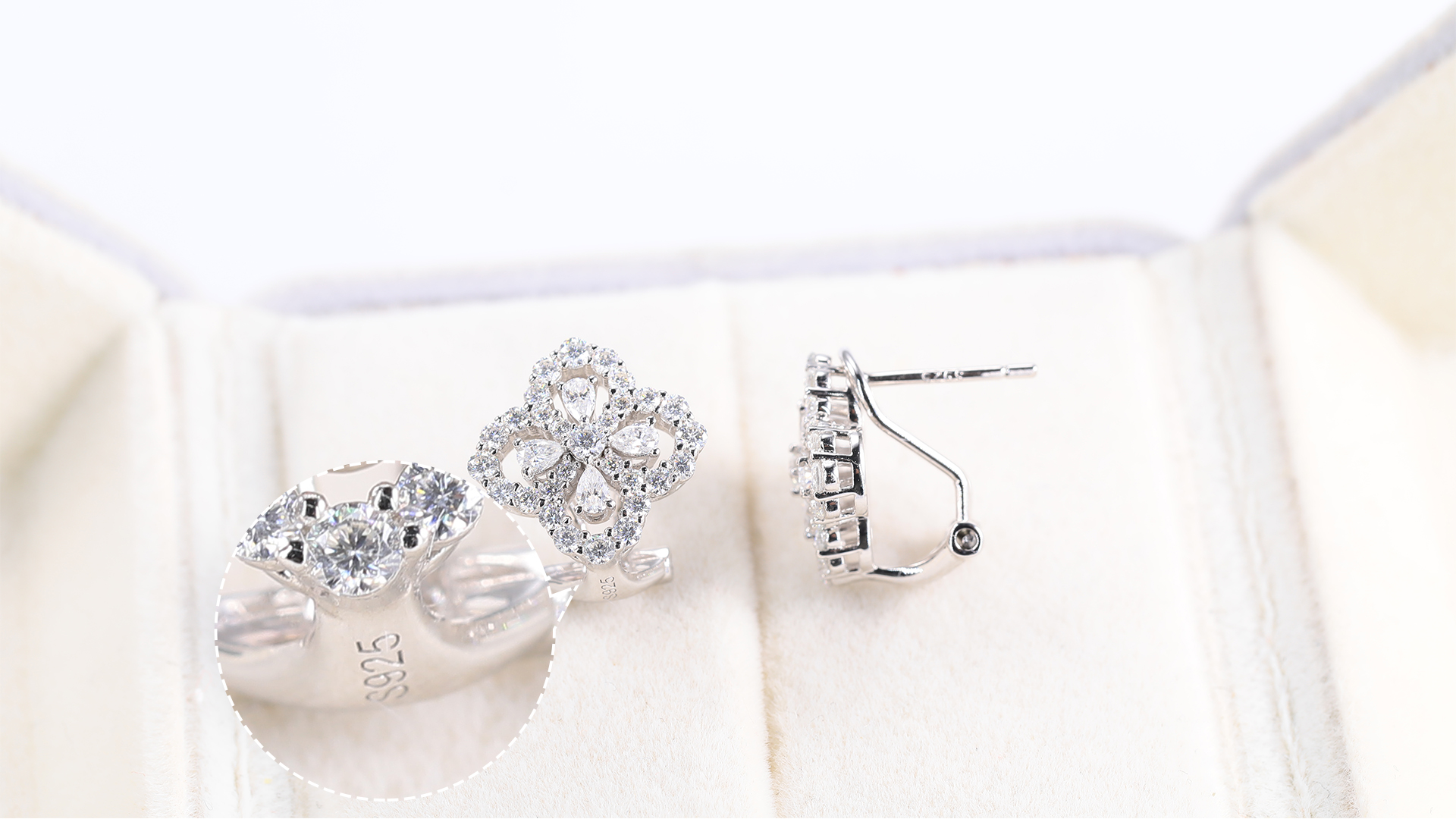
When shopping for jewelry, you may have noticed markings such as S925, 925, 14K, 18K, Au585, Au750, Pt950, and other numbers stamped on rings, necklaces, bracelets, and earrings.
These markings are more than simple product codes. They indicate the precious metal content and composition of the jewelry, helping buyers understand what a piece is made from and how it may perform in everyday wear.
Whether you are looking for a 925 silver ring, a 14K gold ring, or an 18K gold jewelry piece, understanding these markings can help you make a more informed purchase.
In this guide, we will explain the most common jewelry metal purity markings and what they mean.
1. What Does "K" Mean in Gold Jewelry?
The letter K, or karat, is commonly used to describe the purity of gold.
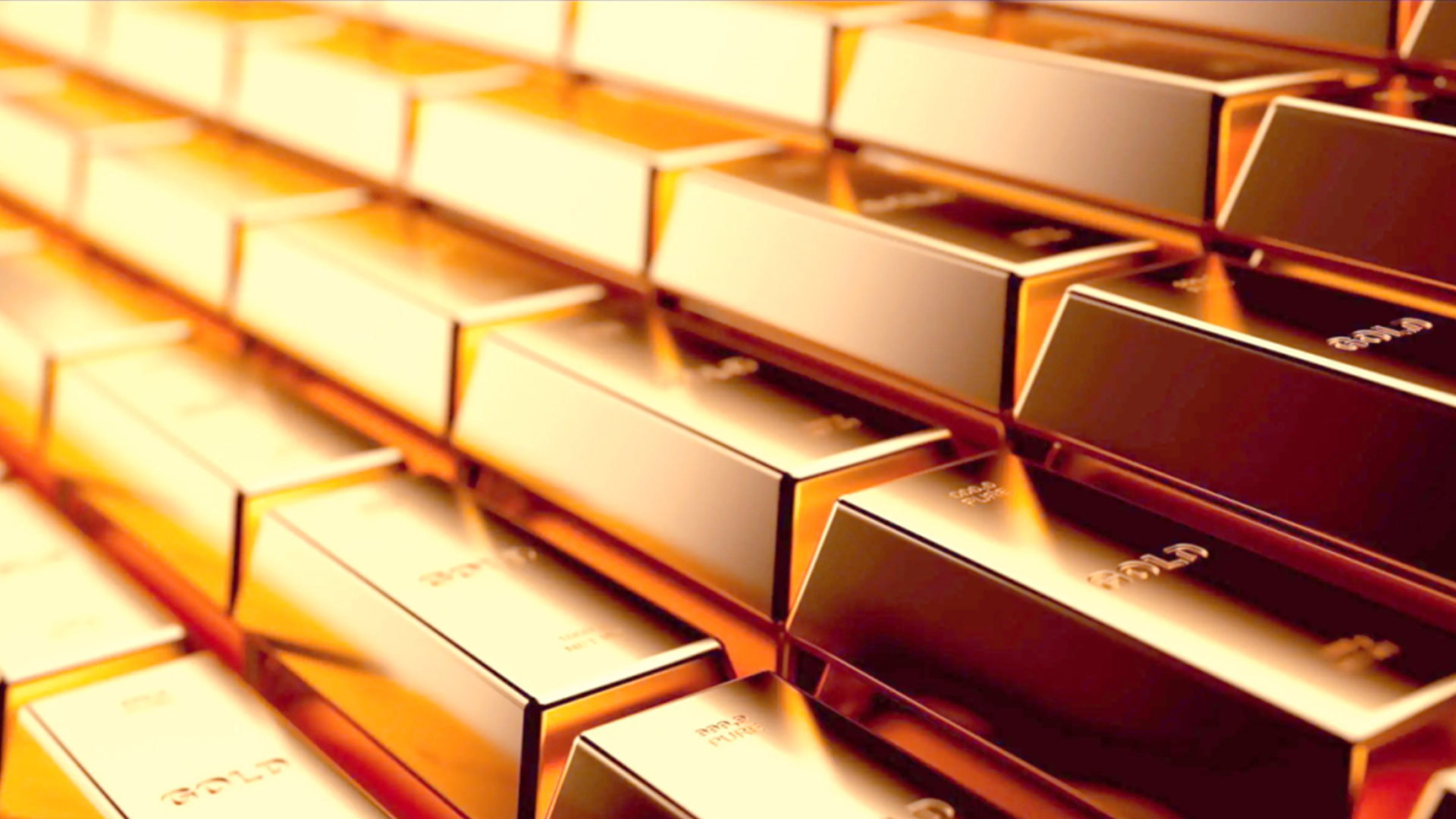
Pure gold is considered 24K. However, pure gold is relatively soft, which makes it less suitable for many types of jewelry, especially pieces that need to withstand daily wear or securely hold gemstones.
Gold is therefore often mixed with other metals such as silver, copper, zinc, or palladium to improve its hardness, durability, and color.
The higher the karat number, the higher the proportion of pure gold.
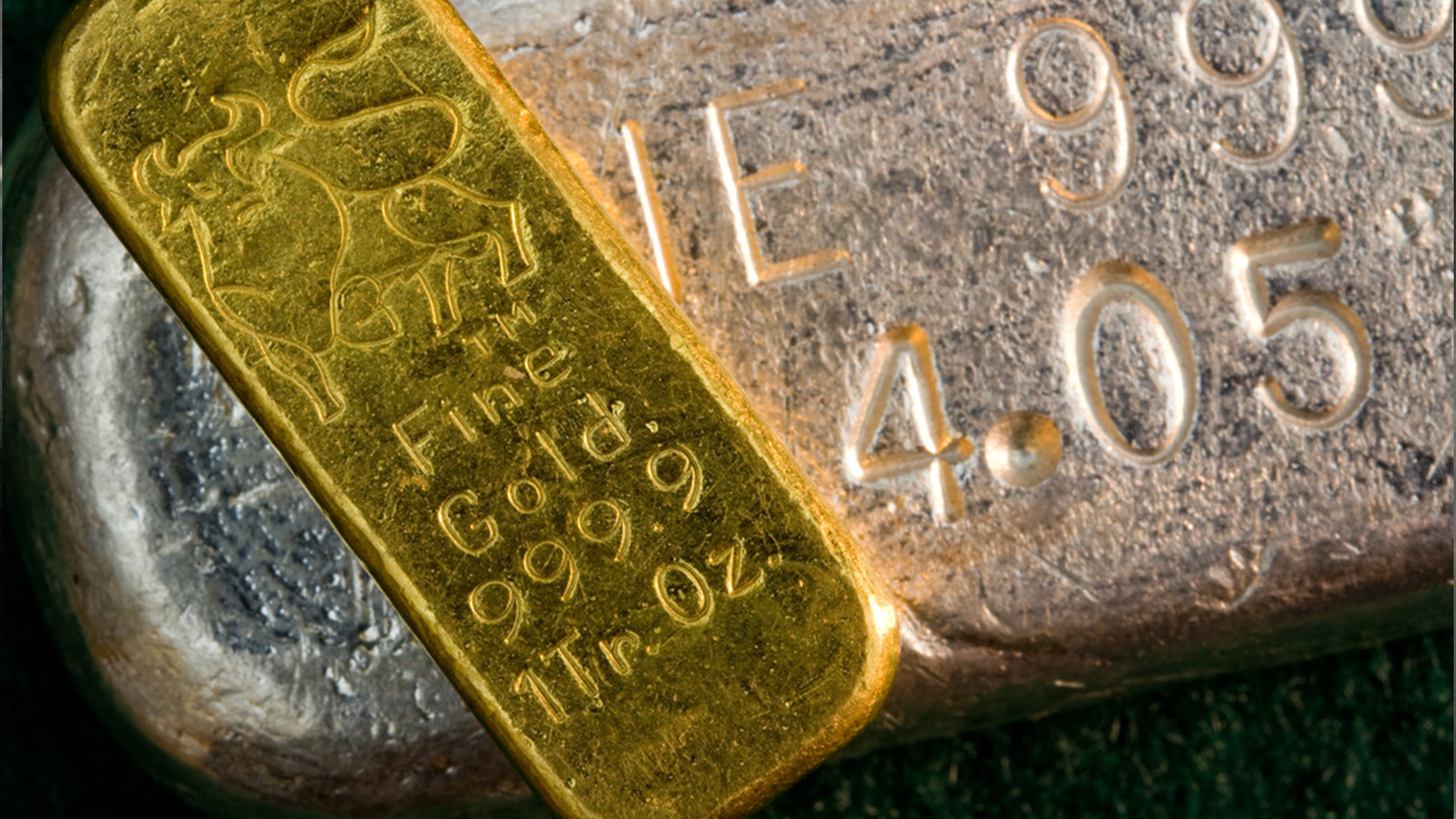
24K Gold
24K gold represents gold with a very high purity, generally around 99.9% or higher depending on the applicable standard.
Because of its softness, 24K gold is more commonly used for investment products, gold bars, and certain traditional jewelry rather than intricate gemstone settings.
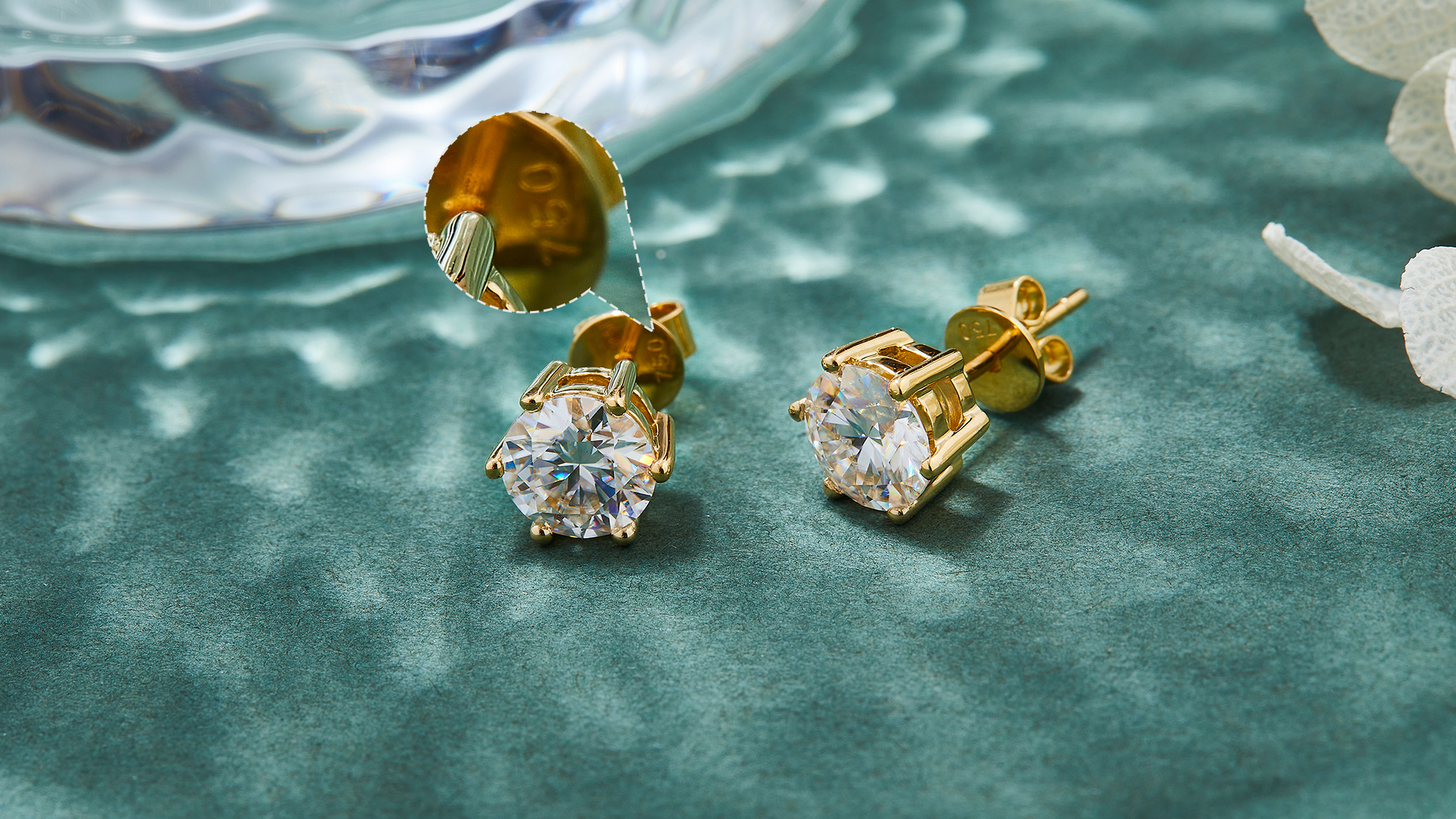
18K Gold / Au750
18K gold contains 75% pure gold, with the remaining 25% consisting of other alloy metals.
You may see it marked as:
- 18K
- 750
- Au750
These markings refer to the same basic gold purity level.
18K gold is particularly popular for fine jewelry because it offers a good balance between gold content, durability, appearance, and wearability.
It can also be manufactured in different colors, including:
Yellow gold
White gold
Rose gold
For rings and gemstone jewelry, 18K gold is one of the most widely used choices.
14K Gold / Au585
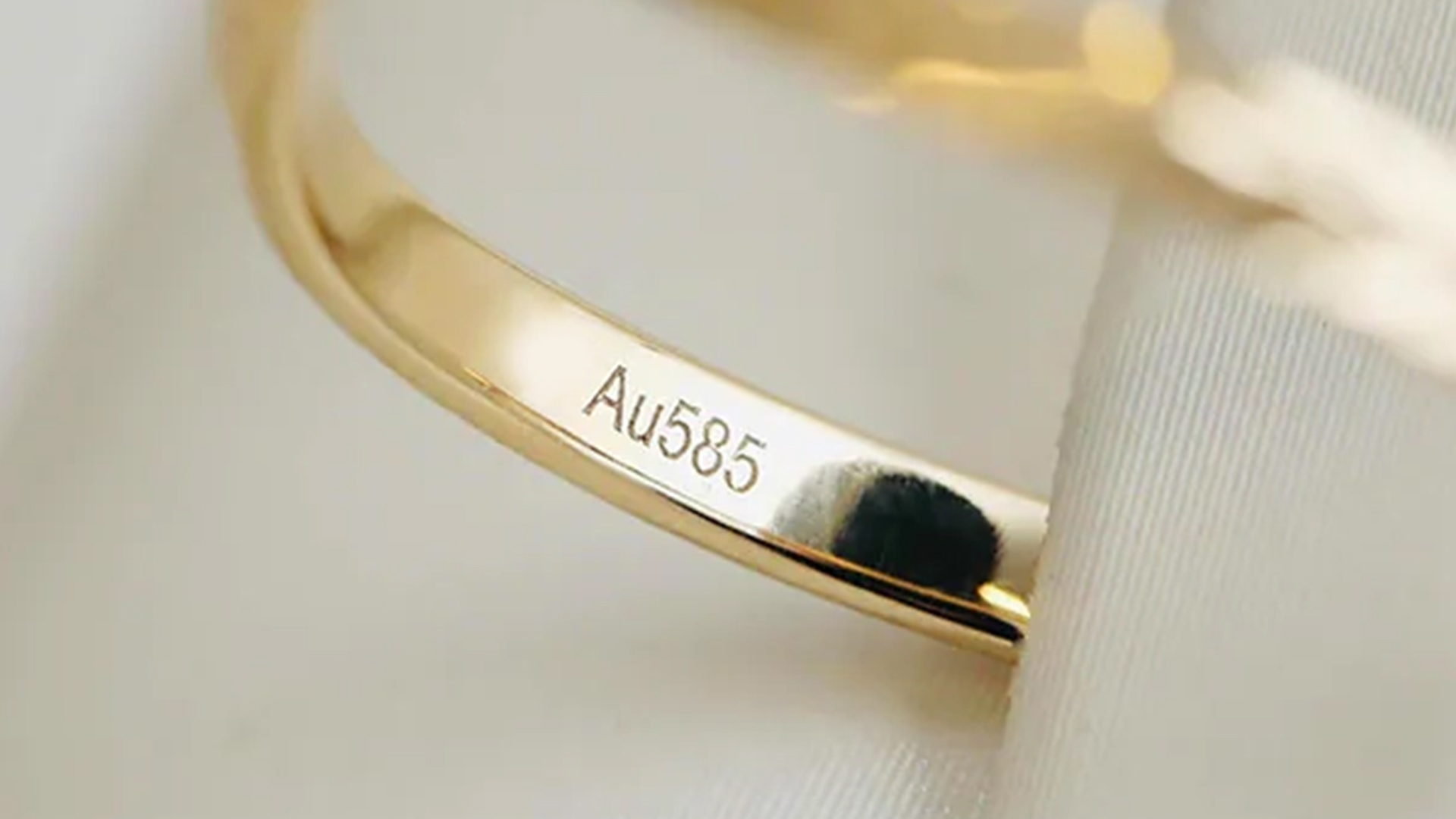
14K gold contains approximately 58.5% pure gold and is commonly marked:
- 14K
- 585
- Au585
Compared with 18K gold, 14K gold contains less pure gold but generally offers greater hardness and excellent durability for everyday jewelry.
14K gold is especially popular in markets such as the United States and Europe, where it is widely used for everyday rings, earrings, necklaces, and other fine jewelry.
9K Gold / Au375
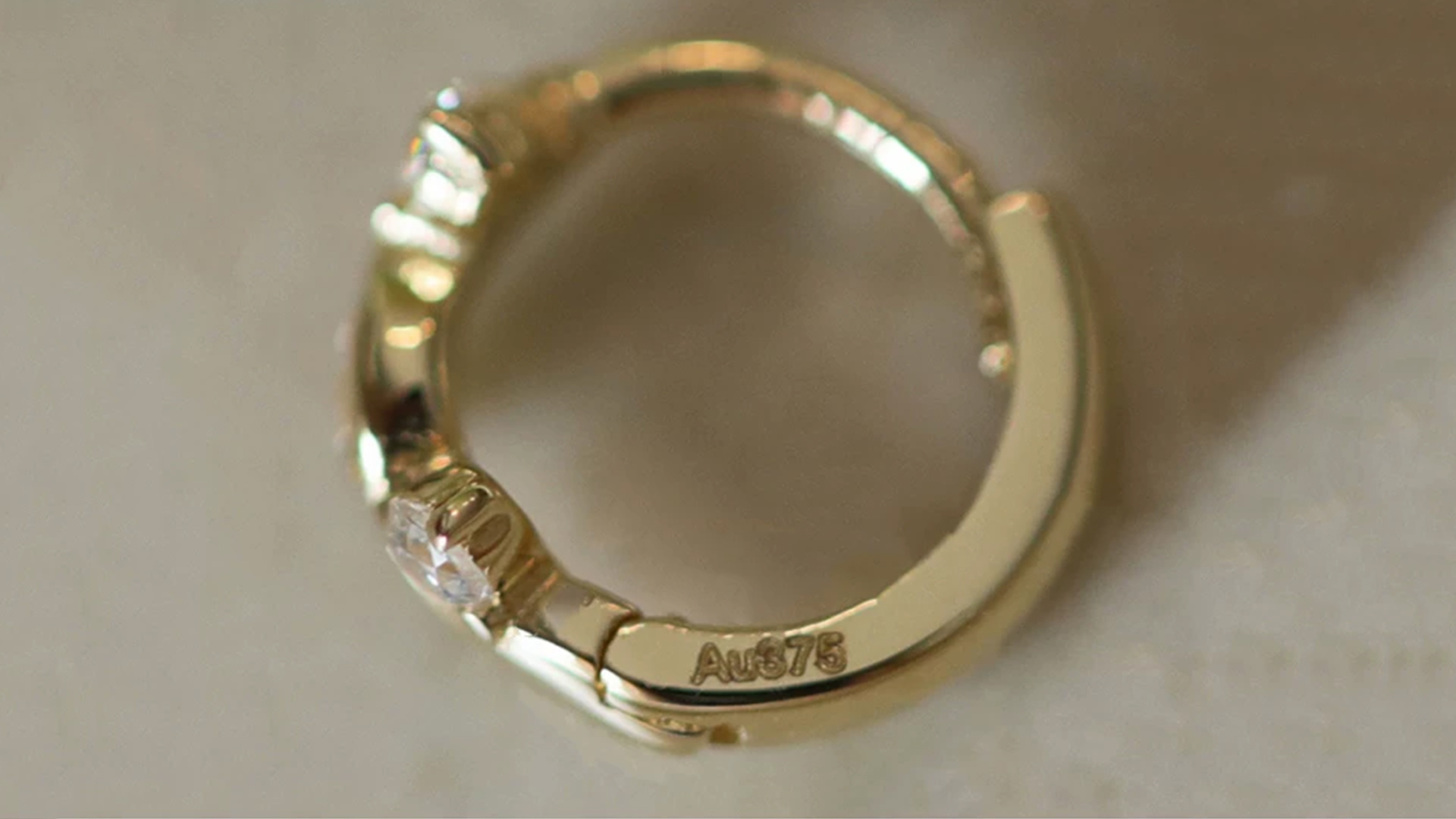
9K gold contains approximately 37.5% pure gold and may be marked:
- 9K
- 375
- Au375
It provides a more affordable option for consumers who want the appearance of gold while prioritizing price and durability.
2. What Does S925 Mean on Silver Jewelry?
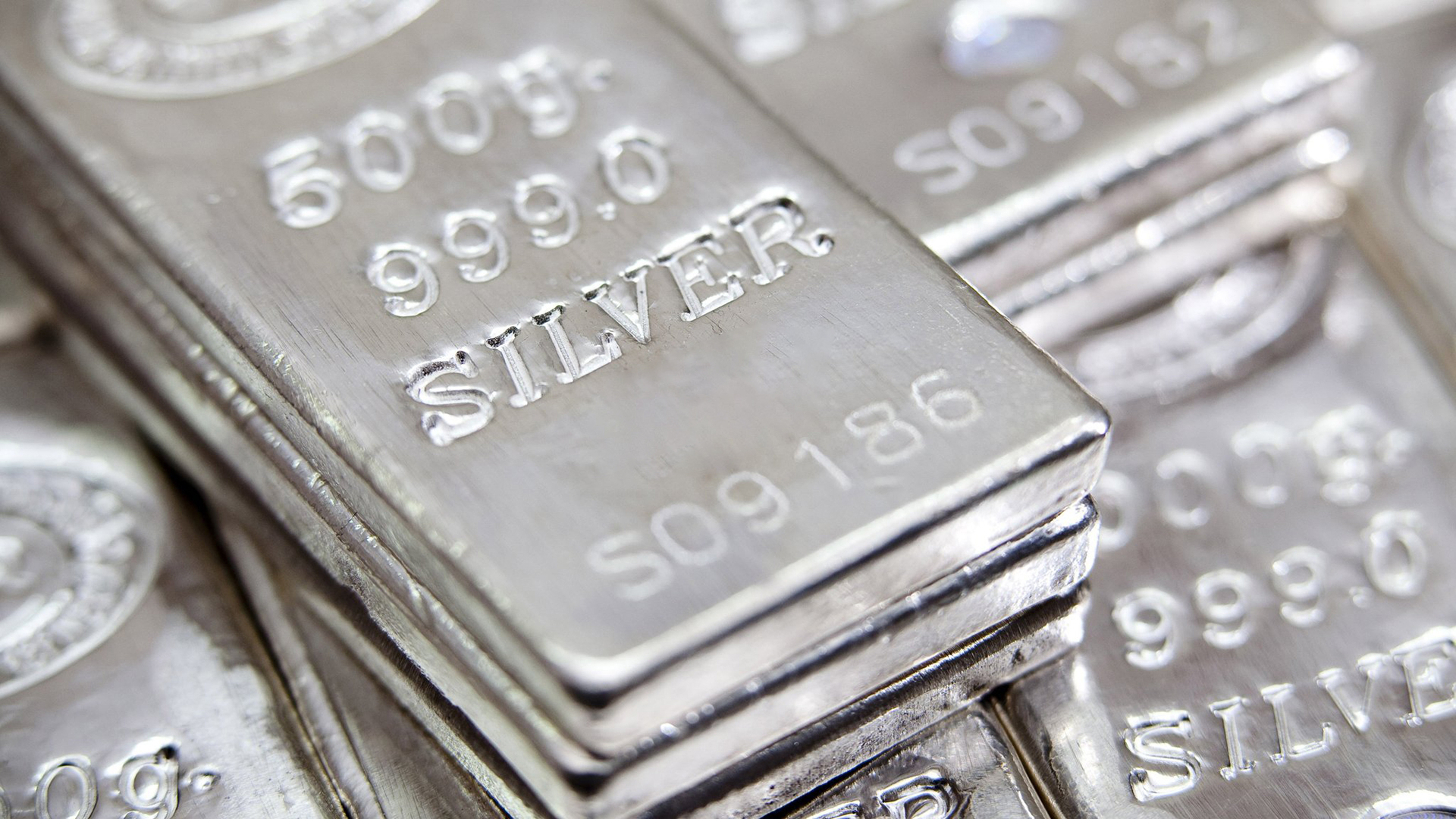
One of the most common markings you will see on silver jewelry is S925 or simply 925.
S925 = 92.5% Silver

925 sterling silver contains 92.5% pure silver, while the remaining 7.5% is generally made up of other metals, commonly copper.
Why isn't jewelry made from 100% pure silver?
Pure silver is relatively soft and can easily bend or deform. Adding other metals increases the hardness and strength of the material, making it much more suitable for jewelry manufacturing.
This is why 925 sterling silver has become one of the most widely used materials for rings, necklaces, bracelets, earrings, and other jewelry.
You may see several different descriptions for the same material:
- 925 Silver
- S925 Silver
- Sterling Silver
- 925 Sterling Silver
For jewelry buyers, these terms generally refer to sterling silver containing 92.5% silver.
What About S999 Silver?
S999 silver contains approximately 99.9% silver.
Although it has a higher silver content than S925, it is also softer and more easily deformed.
As a result, S999 is often more suitable for certain traditional silver products, while S925 is generally more practical for everyday jewelry and gemstone settings.
3. Platinum: What Does Pt950 Mean?
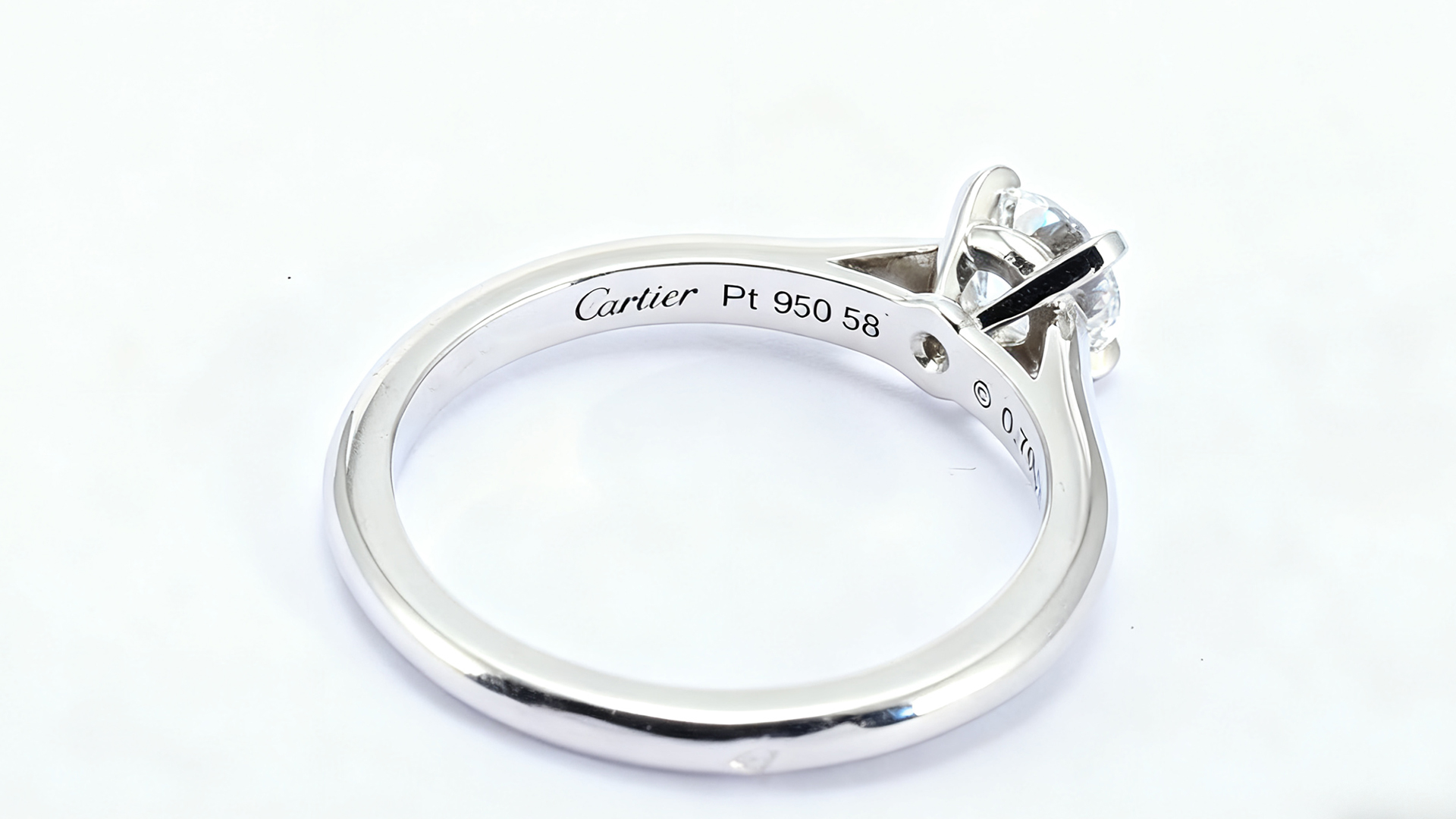
Platinum is another precious metal commonly used in fine jewelry.
The most familiar platinum markings include:
- Pt950
- Pt900
Pt950
Pt950 means that the metal contains 95% platinum, with the remaining portion consisting of other alloy metals.
Platinum is naturally white and has a distinctive appearance that makes it popular for wedding rings, engagement rings, and fine jewelry.
However, it is important to understand that white gold and platinum are not the same material.
For example:
18K white gold / Au750: 75% gold + other alloy metals
Pt950: 95% platinum
Although both materials have a white appearance, their composition, physical properties, and price can be very different.
4. Does Higher Purity Always Mean Better Jewelry?
Not necessarily.
A common misconception is that the higher the precious metal purity, the better the jewelry must be.
In reality, the best material depends on the design and intended use of the jewelry.
For example, pure gold is softer than 18K gold. While it contains more gold, it may not always be the best choice for a delicate gemstone ring that needs to withstand daily wear.
Similarly, S999 silver has a higher silver content than S925 silver, but its softness makes S925 more practical for many jewelry designs.
When selecting jewelry, you should consider several factors:
- Precious metal purity
- Hardness and durability
- Jewelry design
- Gemstone setting requirements
- Frequency of wear
- Budget
- Desired color and appearance
In other words, higher purity does not automatically mean better for every application.
5. What Is the Difference Between 18K Gold and Au750?
If you see 18K gold and Au750 on jewelry, you may wonder whether they are different materials.
They essentially indicate the same gold purity.
18K gold = 75% gold = Au750 = 750 fineness
The difference is simply the way the purity is expressed.
"Karat" uses the 24-part system:
18 ÷ 24 = 75%
The "750" marking uses the parts-per-thousand system:
750 ÷ 1000 = 75%
Therefore, an 18K gold ring may carry an 18K, 750, or Au750 marking depending on the market, manufacturer, and applicable regulations.
6. What Is the Difference Between 925 Silver and 925 Gold?
The number 925 describes the proportion of the precious metal, but the material must also be identified.
For example:
- S925 / 925 Silver = 92.5% silver
- Gold 750 / Au750 = 75% gold
Therefore, you should not assume that a number by itself tells you everything about a piece of jewelry.
When purchasing jewelry, always check the complete product description and material specification rather than relying on the number alone.
7. Why Does 925 Silver Jewelry Sometimes Turn Dark?
If your sterling silver jewelry becomes darker after prolonged use, this does not necessarily mean that the silver is fake or that the jewelry has lost its original color.
Silver can react with substances in the surrounding environment, including sulfur compounds, moisture, sweat, and certain chemicals.
This can cause a darker layer of silver sulfide to form on the surface.
This phenomenon is commonly referred to as silver tarnishing.
Fortunately, tarnishing is usually a surface reaction rather than a sign that the silver content has disappeared.
In many cases, the original appearance can be restored by gently cleaning the jewelry with an appropriate silver polishing cloth.
To reduce tarnishing, avoid prolonged exposure to:
- Perfume
- Cosmetics
- Household chemicals
- Chlorinated water
- Excessive moisture
Store silver jewelry in a dry place when it is not being worn.
8. Choosing the Right Metal for Your Jewelry
There is no single "best" jewelry metal for everyone.
Choose 925 Sterling Silver If:
- You want affordable fine jewelry
- You prefer a bright silver appearance
- You want a versatile material for everyday jewelry
- You are looking for a 925 silver ring or other silver jewelry
- You want more flexibility in custom jewelry design
Choose 14K Gold If:
- You want a durable gold jewelry option
- You prefer a lower gold content and more accessible price
- You are purchasing jewelry for frequent everyday wear
- You are looking for popular gold jewelry styles in the US or European markets
Choose 18K Gold If:
- You want a higher gold content
- You prefer a premium jewelry material
- You are designing fine gemstone jewelry
- You want yellow, white, or rose gold options
Choose Platinum If:
- You prefer platinum's natural white appearance
- You are looking for a premium material
- You are purchasing an engagement ring or wedding jewelry
- You specifically want platinum rather than white gold
9. Looking for 925 Silver or Custom Gold Jewelry?
At HanYu Jewelry, we understand that different customers have different jewelry needs.
If you are looking for ready-to-wear 925 sterling silver rings, we can provide a range of designs suitable for different styles and occasions.
If you are developing your own jewelry collection, we also support custom jewelry development and manufacturing.
Depending on your project, you can explore options such as:
- Custom 925 sterling silver rings
- Custom 9K/10K/14K/18K gold rings
- Gold-plated silver jewelry
- Natural Gemstone rings
- Moissanite/Lab Diamond/Lab Gems jewelry
- Custom jewelry designs
- OEM and ODM jewelry production
Whether you already have a finished design or only have an idea in mind, our team can work with you to develop a jewelry piece according to your preferred metal, gemstone, size, color, setting, and design details.
Looking for a ready-made 925 silver ring? Want to create your own custom 925 silver or K-gold ring? Contact HanYu Jewelry to discuss your requirements.