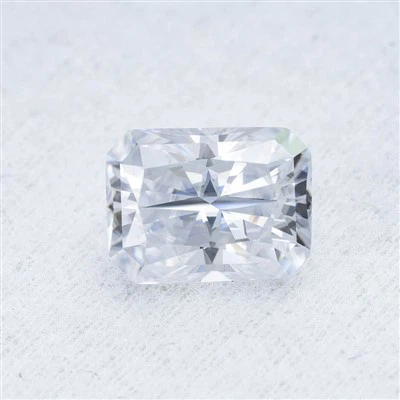
Synthetic corundum, a man - made alternative to natural corundum, has gained significant popularity in the jewelry industry due to its affordability, availability, and consistent quality. One of the most common questions that arise in the context of synthetic corundum is whether it can be treated to enhance its color. As a supplier of synthetic corundum, I am well - versed in this topic and will delve into the details to provide a comprehensive answer.
Understanding Synthetic Corundum
Before discussing color enhancement, it's crucial to understand what synthetic corundum is. Corundum is a crystalline form of aluminum oxide ((Al_2O_3)). Natural corundum comes in various colors, with red corundum known as ruby and blue corundum as sapphire. Synthetic corundum is created in a laboratory using methods such as the Verneuil process, the Czochralski method, or the flux - growth method. These processes mimic the natural conditions under which corundum forms, resulting in a material that has the same chemical composition and crystal structure as its natural counterpart.
Color in Synthetic Corundum
The color of synthetic corundum is determined by the presence of trace elements during the manufacturing process. For example, chromium is added to create red synthetic rubies, while iron and titanium are used to produce blue synthetic sapphires. The amount and type of these trace elements can be precisely controlled in the laboratory, allowing for a wide range of colors to be produced.
Can Synthetic Corundum be Treated to Enhance its Color?
The short answer is yes, synthetic corundum can be treated to enhance its color. There are several methods available for color enhancement, each with its own advantages and limitations.
Heat Treatment
Heat treatment is one of the most common methods used to enhance the color of synthetic corundum. By heating the corundum to high temperatures, the crystal structure can be altered, which can change the way it absorbs and reflects light. This can result in a more intense or more desirable color. For example, some synthetic sapphires may have a slightly dull or off - color appearance that can be improved through heat treatment. The process is relatively simple and cost - effective, making it a popular choice for many manufacturers.
Diffusion Treatment
Diffusion treatment involves introducing trace elements into the surface layer of the synthetic corundum. The corundum is heated in the presence of a chemical compound containing the desired trace element. The heat causes the atoms of the trace element to diffuse into the surface of the corundum, changing its color. This method can be used to create colors that are not easily achievable through the normal manufacturing process. However, diffusion - treated synthetic corundum has a color that is only present in the surface layer, which may be more prone to wear and fading over time.
Irradiation
Irradiation is another method that can be used to enhance the color of synthetic corundum. By exposing the corundum to high - energy radiation, such as gamma rays or electron beams, the electronic structure of the crystal can be altered, resulting in a change in color. This method can produce some unique and intense colors. However, irradiated synthetic corundum may require a period of time for any residual radioactivity to decay to safe levels before it can be used in jewelry.
Advantages of Color - Enhanced Synthetic Corundum
- Aesthetic Appeal: Color - enhanced synthetic corundum can have a more vivid and attractive color, making it more appealing to consumers. For example, a Cushion Ruby Corundum with an enhanced red color can be a stunning centerpiece for a piece of jewelry.
- Consistency: Since synthetic corundum is manufactured in a controlled environment, color - enhancement treatments can be applied more consistently compared to natural corundum. This means that customers can expect a more uniform color across different pieces of synthetic corundum.
- Cost - Effectiveness: Compared to natural corundum with similar color quality, color - enhanced synthetic corundum is generally more affordable. This makes it a great option for jewelry designers and consumers who want high - quality gemstones without the high cost.
Disadvantages of Color - Enhanced Synthetic Corundum
- Durability Concerns: As mentioned earlier, some color - enhancement methods, such as diffusion treatment, may result in a color that is only present in the surface layer. This can make the corundum more susceptible to scratching and wear, which may affect its long - term appearance.
- Market Perception: Some consumers may have a preference for natural, untreated gemstones. Color - enhanced synthetic corundum may not have the same perceived value as natural corundum in the eyes of these consumers.
Our Offerings as a Synthetic Corundum Supplier
As a supplier of synthetic corundum, we offer a wide range of color - enhanced products. Our Rectangle Ruby Corundum and Oval Ruby Corundum are available in various enhanced colors, carefully treated to ensure the best possible aesthetic and quality. We use only the most advanced and reliable color - enhancement methods to ensure that our products meet the highest standards.


Contact for Procurement
If you are interested in purchasing color - enhanced synthetic corundum for your jewelry business, we would be delighted to discuss your requirements. Our team of experts can provide you with detailed information about our products, including color options, treatment methods, and pricing. Whether you are a small - scale jewelry designer or a large - scale manufacturer, we have the products and services to meet your needs. Reach out to us to start a procurement discussion and take advantage of our high - quality synthetic corundum offerings.
References
- Nassau, K. (1980). Gems Made by Man. Mineralogical Society of America.
- Kammerling, R. C. (2009). Gemstone Enhancement. Gemological Institute of America.
- Shigley, J. E., & Fritsch, E. (2014). Gems and Gemology. Gemological Institute of America.