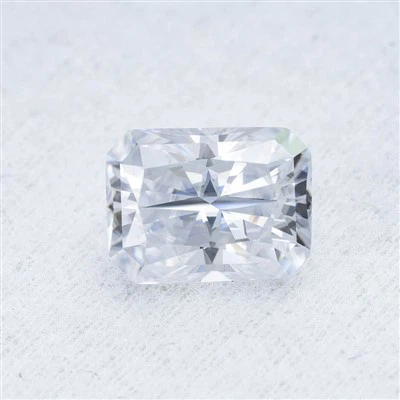
As a prominent supplier of Round Green Corundum, I am thrilled to delve into the intricate process of cutting this remarkable gemstone. Round green corundum, a captivating variation of the corundum family, exhibits stunning hues and exceptional beauty. In this blog post, I will guide you through the step-by-step journey of transforming a rough piece of green corundum into a polished, round gemstone fit for jewelry masterpieces.
Step 1: Rough Selection
The process begins with the careful selection of high-quality rough green corundum. As a supplier, I understand the importance of sourcing rough stones from reliable mines. Each rough piece is inspected for its color, clarity, and potential. The ideal rough corundum should possess a vibrant green color, minimal inclusions, and a suitable size for the desired round cut. This initial step sets the foundation for a successful cutting process, as the quality of the rough stone significantly impacts the final appearance of the gem.
Step 2: Planning the Cut
Once the rough stone is selected, the next crucial step is planning the cut. This involves analyzing the rough stone's shape, size, and internal characteristics to determine the best way to maximize its beauty and value. A skilled gem cutter uses a variety of tools, such as a loupe and a protractor, to measure and mark the stone. The goal is to create a round shape that showcases the stone's color and brilliance while minimizing any waste. Special attention is paid to avoiding inclusions and fractures during the planning process, as these can affect the gem's clarity and durability.
Step 3: Sawing
After the cut is planned, the rough stone is ready for sawing. A diamond saw blade is typically used for this process, as diamond is one of the hardest materials and can effectively cut through the tough corundum. The saw blade is carefully guided along the marked lines to separate the rough stone into smaller pieces. This step requires precision and skill to ensure that the cuts are straight and accurate. The sawing process may generate heat, so it is important to use a cooling system to prevent damage to the stone.
Step 4: Shaping
Once the stone is sawed into smaller pieces, the shaping process begins. This involves using a series of grinding wheels to gradually shape the stone into a round form. Different grits of grinding wheels are used, starting with a coarser grit to remove the majority of the excess material and then progressing to finer grits for a smoother finish. The gem cutter carefully rotates the stone against the grinding wheels, constantly checking the shape and symmetry. This step requires patience and attention to detail to achieve the desired round shape with smooth, even edges.
Step 5: Faceting
Faceting is the most critical and intricate step in the cutting process, as it is what gives the round green corundum its sparkle and brilliance. Facets are flat, polished surfaces that are cut into the stone at specific angles to reflect and refract light. Using a faceting machine, the gem cutter precisely cuts and polishes each facet according to a pre-determined pattern. The most common faceting pattern for round stones is the brilliant cut, which consists of 58 facets. Each facet must be cut at the exact angle and size to ensure maximum light reflection and dispersion. This step requires a high level of skill and expertise, as even a small deviation in the angle or size of a facet can significantly affect the gem's appearance.
Step 6: Polishing
After the faceting is complete, the gemstone undergoes a final polishing process to enhance its luster and smoothness. A series of polishing compounds and polishing wheels are used to create a mirror-like finish on the surface of the stone. The polishing process removes any scratches or imperfections left from the faceting process, bringing out the full beauty of the round green corundum. This step requires careful handling to ensure that the polished surface remains intact and the gemstone retains its shape.
Step 7: Inspection and Quality Control
Once the polishing is finished, the cut round green corundum is carefully inspected for quality. A gemologist or quality control expert uses a variety of tools, such as a microscope and a refractometer, to assess the gem's color, clarity, cut, and carat weight. Any defects or inconsistencies are identified, and the gemstone is graded accordingly. Only the highest quality stones that meet the strict standards are selected for sale. This ensures that our customers receive a flawless and beautiful round green corundum gemstone.
Conclusion
The process of cutting a round green corundum is a complex and labor-intensive one that requires a high level of skill, expertise, and precision. From the initial selection of the rough stone to the final inspection and quality control, every step is crucial in transforming a rough piece of corundum into a stunning gemstone. As a supplier of Round Green Corundum, I take pride in offering only the finest quality gemstones that have undergone this meticulous cutting process.


If you are interested in purchasing round green corundum or exploring our other gemstone offerings, such as Round Ruby Corundum, Cushion Cut Corundum #8 Ruby, or Rectangle Ruby Corundum, please don't hesitate to contact me for further details and to discuss your specific requirements. I am always here to assist you in finding the perfect gemstone for your needs.
References
- "Gem Cutting: Theory and Practice" by John Sinkankas
- "The Gemstone Encyclopedia" by Walter Schumann