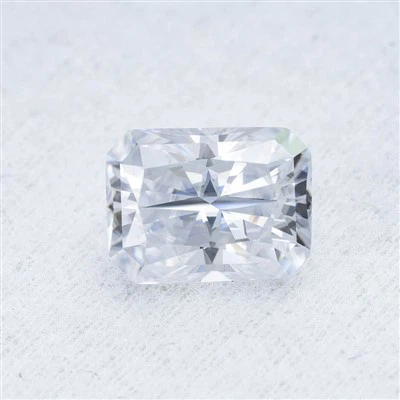
Pear Ruby Corundum, a captivating gemstone, has long fascinated gem enthusiasts and jewelry designers alike. As a trusted supplier of this exquisite material, I am often asked about its behavior under heat and light. In this blog post, I will delve into the scientific aspects of how Pear Ruby Corundum reacts to these environmental factors, providing valuable insights for those interested in purchasing or working with this gemstone.
Understanding Pear Ruby Corundum
Before we explore its reactions to heat and light, let's first understand what Pear Ruby Corundum is. Corundum is a crystalline form of aluminum oxide (Al₂O₃) and is one of the hardest naturally occurring minerals, second only to diamond on the Mohs scale of mineral hardness. Ruby is a variety of corundum that gets its vibrant red color from the presence of chromium impurities within the crystal structure.
Pear Ruby Corundum refers to corundum gemstones that are cut in a pear shape. These gemstones are highly valued for their beauty, durability, and rarity. They are used in a wide range of jewelry applications, including rings, necklaces, earrings, and bracelets.
Reaction to Heat
Heat can have a significant impact on the physical and chemical properties of Pear Ruby Corundum. When exposed to high temperatures, several changes can occur, depending on the intensity and duration of the heat.
Color Change
One of the most notable effects of heat on Pear Ruby Corundum is color change. In some cases, heating can enhance the color of the ruby, making it more vivid and intense. This is because heat treatment can help to redistribute the chromium impurities within the crystal structure, resulting in a more even and saturated color.
However, excessive heat can also have a negative impact on the color. If the ruby is heated to too high a temperature or for too long, the color may fade or even change to a different hue. This is known as heat-induced color change and can significantly reduce the value of the gemstone.
Structural Changes
Heat can also cause structural changes in Pear Ruby Corundum. At high temperatures, the crystal lattice of the corundum can expand, leading to the formation of cracks and fractures. These structural defects can weaken the gemstone and make it more prone to damage.
In addition, heat treatment can also affect the clarity of the ruby. Some inclusions within the crystal structure may be removed or altered by heat, resulting in a clearer and more transparent gemstone. However, if the heat treatment is not properly controlled, it can also create new inclusions or cause existing inclusions to become more visible.
Thermal Stability
The thermal stability of Pear Ruby Corundum is an important consideration when working with this gemstone. Different types of rubies may have different thermal stability properties, depending on their chemical composition and crystal structure.
In general, natural rubies are more thermally stable than synthetic rubies. This is because natural rubies have a more complex crystal structure and contain a wider range of impurities, which can help to stabilize the crystal lattice at high temperatures. Synthetic rubies, on the other hand, are typically made under controlled laboratory conditions and may be more prone to thermal damage.
Reaction to Light
Light is another important factor that can affect the appearance and properties of Pear Ruby Corundum. When exposed to light, the gemstone can reflect, refract, and absorb light in different ways, resulting in a variety of optical effects.
Color Appearance
The color of Pear Ruby Corundum can appear different under different lighting conditions. In natural sunlight, the ruby may appear more vivid and intense, with a deeper red color. This is because sunlight contains a full spectrum of colors, which can enhance the natural color of the gemstone.
Under artificial light, such as incandescent or fluorescent light, the color of the ruby may appear slightly different. Incandescent light tends to have a warmer, more yellowish tone, which can make the ruby appear more orange or brownish. Fluorescent light, on the other hand, has a cooler, more bluish tone, which can make the ruby appear more purple or pinkish.
Fluorescence
Some Pear Ruby Corundums exhibit fluorescence, which is the ability to emit light when exposed to ultraviolet (UV) light. Fluorescence can enhance the color and appearance of the ruby, making it appear more vibrant and eye-catching.


The fluorescence of Pear Ruby Corundum can vary depending on the type and intensity of the UV light, as well as the chemical composition of the gemstone. Some rubies may exhibit a strong red fluorescence, while others may exhibit a weaker or different colored fluorescence.
Luster
The luster of Pear Ruby Corundum refers to the way it reflects light from its surface. Rubies typically have a vitreous or glassy luster, which gives them a shiny and reflective appearance.
The luster of the ruby can be affected by several factors, including the quality of the cut, the surface finish, and the presence of any inclusions or blemishes. A well-cut and polished ruby with a smooth surface will have a higher luster and appear more brilliant and sparkly.
Implications for Jewelry Design and Use
The reactions of Pear Ruby Corundum to heat and light have important implications for jewelry design and use. Jewelry designers need to take these factors into consideration when selecting and working with this gemstone to ensure that the final product looks its best and is durable.
Heat Treatment in Jewelry Making
Heat treatment is a common practice in the jewelry industry to enhance the color and clarity of Pear Ruby Corundum. However, it is important to use a reputable and experienced gem cutter who understands the proper techniques and parameters for heat treatment.
Overheating or improper heat treatment can damage the gemstone and reduce its value. Therefore, it is essential to work with a professional who can provide a certificate of authenticity and disclose any heat treatment that has been performed on the ruby.
Lighting Considerations in Jewelry Display
When displaying Pear Ruby Corundum jewelry, it is important to consider the lighting conditions. Natural sunlight is often the best choice for showcasing the true color and beauty of the ruby. However, if natural sunlight is not available, it is recommended to use a high-quality artificial light source that mimics the spectrum of natural sunlight.
Avoid using harsh or inconsistent lighting, as this can distort the color and appearance of the gemstone. Additionally, it is important to protect the ruby jewelry from direct sunlight for extended periods of time, as this can cause the color to fade over time.
Care and Maintenance
Proper care and maintenance are essential to keep Pear Ruby Corundum jewelry looking its best. Avoid exposing the jewelry to extreme heat, such as in a sauna or near a fireplace, as this can cause damage to the gemstone.
When cleaning the ruby jewelry, use a mild soap and warm water, and a soft brush to gently remove any dirt or debris. Avoid using harsh chemicals or abrasive cleaners, as these can scratch the surface of the gemstone.
Conclusion
In conclusion, Pear Ruby Corundum is a beautiful and valuable gemstone that reacts to heat and light in unique ways. Understanding these reactions is essential for anyone interested in purchasing or working with this gemstone, whether you are a jewelry designer, a gem enthusiast, or a collector.
As a supplier of Pear Ruby Corundum, I am committed to providing high-quality gemstones that have been carefully selected and processed to ensure their beauty and durability. If you are interested in purchasing Pear Ruby Corundum or have any questions about its properties and care, please do not hesitate to contact me. I would be happy to assist you in finding the perfect gemstone for your needs.
For more information about our selection of corundum gemstones, including Round Green Corundum, Oval Ruby Corundum, and 8 Cushion Cut Ruby Corundum, please visit our website.
References
- Nassau, K. (1980). Gems Made by Man. Van Nostrand Reinhold.
- Webster, G. (2006). The Gemstone Encyclopedia. Sterling Publishing.
- Schumann, W. (2001). Gemstones of the World. Sterling Publishing.