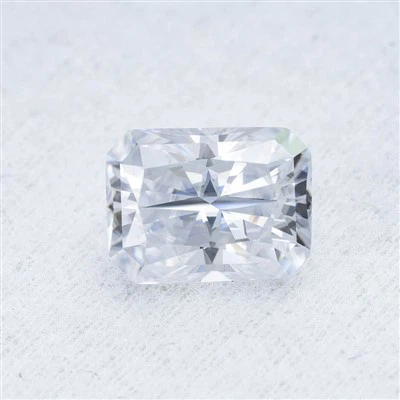
Pear Ruby Corundum, a captivating gemstone, has long been cherished for its beauty and allure. As a supplier of this exquisite gem, I've had the privilege of witnessing firsthand the various factors that contribute to its quality. In this blog post, I'll delve into the key elements that determine the quality of Pear Ruby Corundum, offering insights that can help you make informed decisions when purchasing this remarkable gem.
Color
Color is perhaps the most crucial factor in determining the quality of Pear Ruby Corundum. The ideal color for a ruby is a vivid, pure red, often described as "pigeon's blood" red. This intense, saturated color is highly prized and commands a premium in the market. However, rubies can also exhibit a range of other red hues, from pinkish-red to purplish-red. The presence of secondary colors can affect the overall quality and value of the gem.
When evaluating the color of a Pear Ruby Corundum, consider the following aspects:
- Hue: The primary color of the ruby, which should be a pure, vibrant red.
- Saturation: The intensity of the color, with higher saturation indicating a more vivid and desirable gem.
- Tone: The lightness or darkness of the color, with medium to medium-dark tones generally being preferred.
In addition to the primary red color, some rubies may also exhibit a phenomenon known as "color zoning," where the color is not evenly distributed throughout the gem. This can affect the overall appearance and value of the ruby, with more uniform color distribution being preferred.
Clarity
Clarity refers to the presence of inclusions or imperfections within the gemstone. Inclusions are natural features that occur during the formation of the ruby and can include minerals, fractures, or other impurities. While some inclusions are visible to the naked eye, others may require magnification to detect.
The clarity of a Pear Ruby Corundum is an important factor in determining its quality, as inclusions can affect the gem's transparency, brilliance, and overall appearance. Rubies with fewer inclusions are generally considered to be of higher quality and command a higher price.
When evaluating the clarity of a ruby, consider the following aspects:
- Size and Number of Inclusions: Smaller, fewer inclusions are generally preferred.
- Location of Inclusions: Inclusions that are located near the surface or in the center of the gem may be more visible and have a greater impact on the gem's appearance.
- Effect on Transparency and Brilliance: Inclusions that obstruct light or cause the gem to appear cloudy or dull can reduce its overall quality.
It's important to note that some inclusions can actually enhance the beauty and uniqueness of a ruby, such as "silk," which is a network of fine, needle-like inclusions that can create a soft, glowing effect known as "chatoyancy" or "asterism."
Cut
The cut of a Pear Ruby Corundum refers to the way it has been shaped and faceted. A well-cut ruby can enhance its color, brilliance, and overall beauty, while a poorly cut ruby may appear dull or lackluster.
When evaluating the cut of a ruby, consider the following aspects:
- Proportion: The relationship between the length, width, and depth of the gem, which should be balanced to maximize its brilliance and fire.
- Symmetry: The evenness of the facets and the overall shape of the gem, which should be symmetrical and well-proportioned.
- Polish: The smoothness and shine of the gem's surface, which can affect its overall appearance and reflectivity.
There are several different cuts available for Pear Ruby Corundum, including the classic round cut, the elegant oval cut, and the modern cushion cut. Each cut has its own unique characteristics and can enhance the beauty of the gem in different ways. For example, the cushion cut is known for its soft, rounded edges and large, open facets, which can create a beautiful, sparkly effect. You can explore our Cushion Ruby Corundum collection to see this cut in action.
Carat Weight
Carat weight is a measure of the size of a gemstone, with one carat equal to 200 milligrams. In general, larger rubies are rarer and more valuable than smaller ones, but the quality of the gemstone also plays a significant role in determining its value.
When considering the carat weight of a Pear Ruby Corundum, it's important to balance size with quality. A smaller, high-quality ruby may be more valuable than a larger, lower-quality ruby. It's also important to consider the intended use of the gemstone, as larger rubies may be more suitable for statement pieces, while smaller rubies may be better suited for more delicate jewelry.
Origin
The origin of a Pear Ruby Corundum can also have an impact on its quality and value. Rubies are found in several different countries around the world, including Myanmar (formerly Burma), Thailand, Sri Lanka, and Madagascar. Each origin has its own unique characteristics and can produce rubies with different colors, clarity, and other qualities.
Myanmar is perhaps the most famous origin for rubies, known for producing some of the world's finest "pigeon's blood" rubies. Rubies from Myanmar are highly prized for their intense, vibrant red color and exceptional clarity. Other origins, such as Thailand and Sri Lanka, can also produce high-quality rubies, but they may have different color characteristics or inclusions.
When purchasing a Pear Ruby Corundum, it's important to consider the origin of the gemstone and to look for a reputable dealer who can provide information about the gem's origin and authenticity.
Treatment
Many rubies on the market today have been treated to enhance their color or clarity. Common treatments include heat treatment, which can improve the color of the ruby by removing impurities or enhancing the red color, and fracture filling, which can improve the clarity of the ruby by filling in surface fractures.
While treated rubies can be beautiful and valuable, it's important to be aware of the treatment and to consider how it may affect the gem's long-term durability and value. In general, untreated rubies are more rare and valuable than treated rubies, but they may also be more expensive.
When purchasing a Pear Ruby Corundum, it's important to ask the dealer about any treatments that have been applied to the gemstone and to look for a gemstone that has been treated using ethical and industry-standard methods.


Conclusion
As a supplier of Pear Ruby Corundum, I understand the importance of quality and the factors that contribute to it. By considering the color, clarity, cut, carat weight, origin, and treatment of a ruby, you can make an informed decision when purchasing this beautiful gemstone.
Whether you're looking for a stunning engagement ring, a pair of elegant earrings, or a statement necklace, Pear Ruby Corundum is a timeless and versatile gemstone that is sure to make a lasting impression. If you have any questions or would like to discuss your specific needs, please don't hesitate to contact us for more information. We're here to help you find the perfect Pear Ruby Corundum for your next jewelry creation.
References
- "The Gemstone Encyclopedia" by Robert Weldon and Joel E. Arem
- "Gemstones of the World" by Walter Schumann
- "The International Gem Society" website