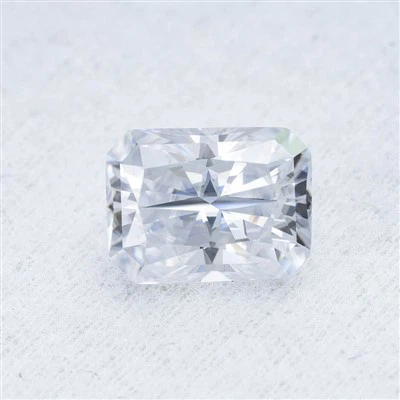
Pear Ruby Corundum, a captivating gemstone, has long fascinated gem enthusiasts and jewelry designers alike. As a leading supplier of Pear Ruby Corundum, I am thrilled to delve into the physical properties of this remarkable gemstone. In this blog post, I will explore the various aspects of its physical characteristics, including color, hardness, luster, and more.
Color
One of the most striking features of Pear Ruby Corundum is its vibrant color. The gemstone typically exhibits a rich, deep red hue, which is highly prized in the world of gemstones. The intensity of the color can vary depending on several factors, such as the presence of trace elements and the quality of the stone. In general, the more saturated and vivid the red color, the more valuable the Pear Ruby Corundum.
The red color of Pear Ruby Corundum is primarily due to the presence of chromium. Chromium is a trace element that substitutes for aluminum in the crystal structure of corundum, causing the gemstone to absorb certain wavelengths of light and reflect the red color. The amount of chromium present in the stone can affect the shade and intensity of the red color. For example, a higher concentration of chromium can result in a more intense and vivid red color, while a lower concentration may produce a lighter or more pastel shade.
In addition to the classic red color, Pear Ruby Corundum can also occur in other colors, such as pink, purple, and orange. These variations in color are caused by the presence of other trace elements, such as iron, titanium, and vanadium. While the red color is the most well-known and sought-after, the other colors of Pear Ruby Corundum can also be quite beautiful and valuable, depending on their quality and rarity.
Hardness
Another important physical property of Pear Ruby Corundum is its hardness. Corundum is one of the hardest minerals on Earth, with a Mohs hardness of 9. This makes it an extremely durable and resistant gemstone, suitable for use in a variety of jewelry applications. The high hardness of Pear Ruby Corundum means that it is less likely to scratch or chip compared to other gemstones, making it a popular choice for everyday wear.
The hardness of Pear Ruby Corundum is due to its crystal structure. Corundum has a tightly packed lattice structure, which gives it its strength and durability. The strong chemical bonds between the atoms in the crystal lattice make it difficult for other substances to penetrate or scratch the surface of the gemstone. This makes Pear Ruby Corundum an ideal choice for jewelry that will be exposed to regular wear and tear, such as rings, bracelets, and necklaces.
However, it is important to note that while Pear Ruby Corundum is very hard, it is not indestructible. Like all gemstones, it can still be damaged if it is subjected to extreme force or pressure. For example, dropping a Pear Ruby Corundum ring on a hard surface or hitting it with a hammer can cause it to crack or break. Therefore, it is important to handle Pear Ruby Corundum jewelry with care and avoid exposing it to unnecessary risks.
Luster
The luster of Pear Ruby Corundum is another characteristic that contributes to its beauty and appeal. Luster refers to the way light reflects off the surface of a gemstone, giving it a shiny or reflective appearance. Pear Ruby Corundum typically has a vitreous luster, which means it has a glassy or shiny appearance. This luster enhances the gemstone's color and makes it more visually appealing.
The vitreous luster of Pear Ruby Corundum is due to its smooth and polished surface. When light hits the surface of the gemstone, it reflects off the smooth surface, creating a shiny and reflective effect. The quality of the luster can be affected by several factors, such as the cut and finish of the gemstone. A well-cut and polished Pear Ruby Corundum will have a more brilliant and reflective luster compared to a poorly cut or rough gemstone.
In addition to the vitreous luster, Pear Ruby Corundum can also exhibit other types of luster, such as adamantine or silky. Adamantine luster is a very high luster that is similar to the luster of a diamond. It is rare in Pear Ruby Corundum but can occur in some high-quality specimens. Silky luster is a soft, satiny luster that is caused by the presence of fine parallel inclusions in the gemstone. This type of luster can give the gemstone a unique and interesting appearance.
Transparency
Transparency is another important physical property of Pear Ruby Corundum. Transparency refers to the ability of a gemstone to transmit light. Pear Ruby Corundum can range from transparent to opaque, depending on the quality and purity of the stone. Transparent Pear Ruby Corundum allows light to pass through it easily, making it more valuable and desirable for use in jewelry.
The transparency of Pear Ruby Corundum is affected by several factors, such as the presence of inclusions and impurities. Inclusions are tiny imperfections or foreign substances that are trapped inside the gemstone during its formation. These inclusions can scatter or absorb light, reducing the transparency of the gemstone. Impurities, such as trace elements or minerals, can also affect the transparency of Pear Ruby Corundum. For example, a high concentration of impurities can make the gemstone appear cloudy or opaque.
In general, the more transparent and free of inclusions a Pear Ruby Corundum is, the more valuable it is. However, some inclusions can actually enhance the beauty and uniqueness of the gemstone. For example, a star ruby is a type of Pear Ruby Corundum that contains fine needle-like inclusions that form a star-shaped pattern when viewed under a single light source. The star effect is a desirable and valuable characteristic in a gemstone, and star rubies are highly sought after by collectors and jewelry enthusiasts.
Specific Gravity
Specific gravity is a measure of the density of a gemstone compared to the density of water. The specific gravity of Pear Ruby Corundum typically ranges from 3.95 to 4.10, which is relatively high compared to many other gemstones. This high specific gravity is due to the dense crystal structure of corundum and the presence of heavy elements, such as aluminum and oxygen.
The specific gravity of Pear Ruby Corundum can be used to help identify and distinguish it from other gemstones. By measuring the specific gravity of a gemstone, gemologists can determine whether it is likely to be Pear Ruby Corundum or another type of stone. However, it is important to note that specific gravity alone is not a definitive method of identification, and other tests and analyses may be required to confirm the identity of a gemstone.
Refractive Index
The refractive index is a measure of how much light is bent or refracted when it passes through a gemstone. The refractive index of Pear Ruby Corundum is typically around 1.76 to 1.77, which is relatively high compared to many other gemstones. This high refractive index gives Pear Ruby Corundum its characteristic sparkle and brilliance.
When light enters a Pear Ruby Corundum, it is bent or refracted as it passes through the gemstone. The amount of bending or refraction depends on the refractive index of the gemstone and the angle at which the light enters the stone. The high refractive index of Pear Ruby Corundum causes the light to be bent more than it would be in a gemstone with a lower refractive index. This results in a greater dispersion of light, which creates the gemstone's characteristic sparkle and brilliance.
Cut and Shape
The cut and shape of a Pear Ruby Corundum can also have a significant impact on its appearance and value. A well-cut Pear Ruby Corundum will have a symmetrical shape, smooth facets, and a good balance of color and brilliance. The cut of the gemstone can also affect its durability and wearability.
There are several different cuts and shapes available for Pear Ruby Corundum, including the classic pear shape, as well as other popular shapes such as round, oval, and rectangle. Each shape has its own unique characteristics and appeal, and the choice of shape will depend on personal preference and the intended use of the gemstone.
For example, the pear shape is a popular choice for Pear Ruby Corundum because it combines the elegance of a teardrop shape with the sparkle and brilliance of a faceted gemstone. The pear shape is often used in engagement rings and other fine jewelry pieces, as it is a flattering and versatile shape that can enhance the beauty of the gemstone.
Other shapes, such as the round and oval shapes, are also popular choices for Pear Ruby Corundum. The round shape is a classic and timeless shape that is known for its symmetry and brilliance. The oval shape is a more elongated and elegant shape that can give the gemstone a more modern and sophisticated look.
If you are interested in exploring different shapes of Ruby Corundum, you can check out our Rectangle Ruby Corundum, Oval Ruby Corundum, and Round Green Corundum options.


Conclusion
In conclusion, Pear Ruby Corundum is a remarkable gemstone with a variety of unique and desirable physical properties. Its vibrant color, high hardness, beautiful luster, transparency, specific gravity, refractive index, and cut all contribute to its beauty and value. Whether you are a gemstone collector, a jewelry designer, or simply someone who appreciates the beauty of nature, Pear Ruby Corundum is a gemstone that is sure to captivate your attention.
As a supplier of Pear Ruby Corundum, we are committed to providing our customers with high-quality gemstones that meet their specific needs and preferences. We offer a wide range of Pear Ruby Corundum products, including loose gemstones, jewelry, and custom-made pieces. If you are interested in purchasing Pear Ruby Corundum or have any questions about our products, please do not hesitate to contact us. We would be happy to assist you and help you find the perfect gemstone for your needs.
References
- Nassau, K. (1980). Gems Made by Man. Mineralogical Society of America.
- Webster, G. (2009). The Gemstone Encyclopedia. Sterling Publishing.
- Hughes, R. W. (1997). Ruby & Sapphire. Gem Trade Press.