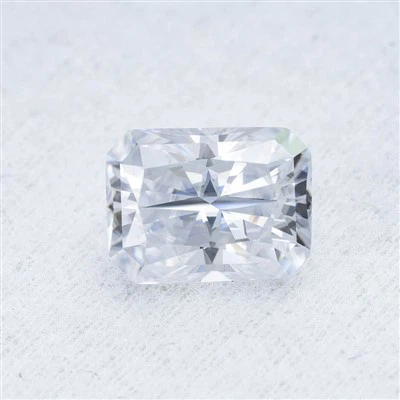
As a supplier of synthetic corundum, I am often asked about the recycling possibilities of this versatile material. Synthetic corundum, a lab - created form of aluminum oxide, has a wide range of applications, from jewelry to industrial abrasives. Understanding its recycling potential is not only important for environmental reasons but also for economic efficiency.
1. Properties of Synthetic Corundum
Synthetic corundum is well - known for its hardness, ranking 9 on the Mohs scale, just below diamond. This hardness makes it extremely durable, resistant to scratches, and suitable for high - wear applications. It also has excellent chemical stability, which means it can withstand harsh chemical environments without significant degradation. These properties contribute to its long - lasting nature, but they also pose challenges when it comes to recycling.
2. Recycling in the Jewelry Industry
In the jewelry sector, synthetic corundum is used to create beautiful gemstones. For example, Round Green Corundum, Cushion Ruby Corundum, and Round Ruby Corundum are popular choices among jewelers and consumers. Recycling in this industry mainly involves re - using the gemstones in new jewelry designs.
When a piece of jewelry with synthetic corundum gemstones reaches the end of its life cycle or is no longer in fashion, the gemstones can be carefully removed. They are then inspected for any damage or wear. If the gemstones are in good condition, they can be reset into new settings, reducing the need for new synthetic corundum production. This process not only saves resources but also offers a unique and sustainable option for jewelry buyers.
3. Recycling in the Industrial Sector
In the industrial field, synthetic corundum is widely used as an abrasive material. It is used in grinding wheels, sandpaper, and other abrasive products. Recycling industrial synthetic corundum is more complex than in the jewelry industry.
One approach to recycling industrial synthetic corundum is through a process called re - sizing. When abrasive products become worn out, the used synthetic corundum can be collected. The material is then crushed and sorted to obtain particles of the desired size. These re - sized particles can be used to manufacture new abrasive products.
Another method is chemical recycling. Synthetic corundum can be treated with certain chemicals to break it down into its basic components. The aluminum oxide can then be purified and re - synthesized into new synthetic corundum. However, this process requires specialized equipment and expertise, and it can be energy - intensive.
4. Challenges in Recycling Synthetic Corundum
Despite the potential for recycling, there are several challenges that need to be addressed. Firstly, the collection of used synthetic corundum can be difficult. In the jewelry industry, it may be challenging to convince consumers to part with their old jewelry for recycling. In the industrial sector, the scattered nature of used abrasive products makes collection a logistical challenge.
Secondly, the quality control of recycled synthetic corundum is crucial. The recycled material may have different properties compared to new synthetic corundum, which can affect its performance in applications. Ensuring consistent quality requires strict testing and monitoring during the recycling process.


5. Environmental and Economic Benefits of Recycling
Recycling synthetic corundum offers significant environmental and economic benefits. From an environmental perspective, it reduces the demand for raw materials. Mining and processing aluminum oxide, the main component of synthetic corundum, can have a large environmental footprint, including land degradation, water pollution, and energy consumption. By recycling, we can conserve natural resources and reduce the environmental impact of production.
Economically, recycling can lower production costs. The cost of recycling is often lower than the cost of producing new synthetic corundum from scratch. This can lead to cost savings for manufacturers, which can be passed on to consumers in the form of lower prices.
6. Future Outlook
The future of synthetic corundum recycling looks promising. As environmental awareness increases, more consumers and industries are likely to embrace recycling. Technological advancements may also lead to more efficient and cost - effective recycling methods.
For example, new chemical processes may be developed to reduce the energy consumption of chemical recycling. Additionally, better collection systems can be established to improve the availability of used synthetic corundum for recycling.
7. Encouraging Recycling and Contact for Purchase
As a supplier of synthetic corundum, I am committed to promoting recycling. We are actively working on developing better recycling solutions and encouraging our customers to participate in the recycling process. Whether you are a jeweler looking for sustainable gemstones or an industrial manufacturer in need of high - quality abrasive materials, we can provide you with top - notch synthetic corundum products.
If you are interested in purchasing synthetic corundum or have any questions about our products and recycling initiatives, please feel free to contact us. We look forward to discussing your needs and exploring the possibilities of working together.
References
- "Materials Science and Engineering: An Introduction" by William D. Callister Jr. and David G. Rethwisch
- "Industrial Minerals and Their Uses" by John A. D. Andrew
- Various industry reports on synthetic corundum production and recycling.