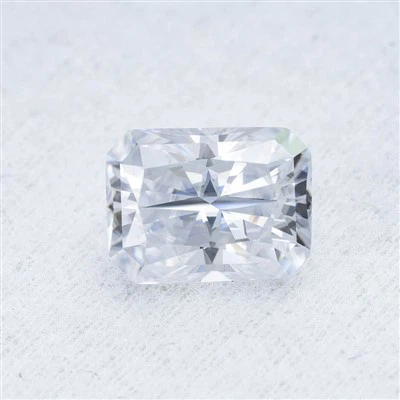
Cutting cushion ruby corundum is a delicate and intricate process that requires a deep understanding of the material's properties and a high level of skill. As a supplier of cushion ruby corundum, I've witnessed firsthand the impact of different cutting techniques on the final product. In this blog, I'll share what I believe is the best way to cut cushion ruby corundum, drawing on my experiences in the industry.
Understanding Cushion Ruby Corundum
Before delving into the cutting process, it's essential to understand what cushion ruby corundum is. Corundum is a crystalline form of aluminum oxide (Al₂O₃) and is one of the hardest naturally occurring substances, second only to diamond. Ruby is a variety of corundum that gets its red color from chromium impurities. The cushion shape, on the other hand, is a classic and popular cut that combines rounded corners and a rectangular or square outline, resembling a pillow.
Cushion ruby corundum is highly valued for its beauty and durability, making it a popular choice for jewelry. However, to fully realize its potential, it must be cut correctly.
Importance of Cutting
The cutting of cushion ruby corundum is crucial for several reasons. Firstly, it affects the gemstone's appearance. A well - cut cushion ruby corundum will exhibit excellent brilliance, fire, and color saturation. Brilliance refers to the white light reflected from the gemstone's surface and interior, while fire is the dispersion of white light into its spectral colors. Color saturation is the intensity of the red color, which is a key factor in determining the value of a ruby.
Secondly, cutting impacts the gemstone's durability. A poorly cut corundum may have weak points that make it more prone to chipping or cracking. Finally, the cut can influence the gemstone's value. A precisely cut cushion ruby corundum will command a higher price in the market compared to a poorly cut one.
The Best Cutting Process
1. Planning
The first step in cutting cushion ruby corundum is planning. This involves carefully examining the rough corundum to determine its internal structure, including any inclusions, fractures, or color variations. Inclusions are tiny imperfections within the gemstone, and fractures can weaken the stone. By studying these features, the cutter can decide on the best orientation and size for the cushion cut to maximize the gemstone's beauty and minimize the impact of any flaws.


During the planning phase, the cutter also considers the desired proportions of the cushion cut. The ideal cushion cut has a length - to - width ratio of around 1.1 to 1.3. This ratio ensures that the gemstone has an aesthetically pleasing shape while also allowing for optimal light reflection.
2. Sawing
Once the planning is complete, the next step is sawing. A diamond - tipped saw is typically used to cut the rough corundum into a rough shape that approximates the cushion cut. This process requires precision to ensure that the initial shape is as close as possible to the final design. The sawing process also helps to remove any large inclusions or unwanted parts of the rough stone.
3. Shaping
After sawing, the gemstone is shaped using a series of grinding wheels. These wheels are made of different materials and have varying grit sizes. Coarse - grit wheels are used first to remove large amounts of material and give the gemstone its basic cushion shape. As the shaping progresses, finer - grit wheels are used to refine the shape and smooth the surfaces.
During the shaping process, the cutter must pay close attention to the angles of the facets. Facets are the flat surfaces on the gemstone that are cut at specific angles to control the reflection and refraction of light. The angles of the facets in a cushion cut are carefully calculated to ensure maximum light return. For example, the crown facets (the top part of the gemstone) are cut at angles that allow light to enter the stone and reflect back out, creating brilliance.
4. Polishing
Polishing is the final and most critical step in the cutting process. A polishing wheel coated with a fine abrasive compound is used to give the gemstone a smooth, shiny finish. This process enhances the gemstone's brilliance and makes its colors more vibrant.
The polishing process requires a high level of skill and patience. The cutter must ensure that all the facets are evenly polished and that there are no scratches or marks on the gemstone's surface. Any imperfections in the polishing can significantly reduce the gemstone's beauty and value.
Comparison with Other Shapes
When comparing cushion ruby corundum with other shapes like Round Ruby Corundum and Round Green Corundum, the cushion cut has its unique advantages. The cushion cut offers a more distinctive and classic look compared to the round cut. It also has a larger surface area, which can showcase the red color of the ruby more effectively.
However, round cuts are known for their exceptional brilliance and symmetry. They are often preferred for more traditional or classic jewelry designs. The choice between a cushion cut and a round cut ultimately depends on the customer's preferences and the intended use of the gemstone.
Quality Control
Throughout the cutting process, quality control is essential. After each step, the gemstone is inspected to ensure that it meets the desired standards. This includes checking the shape, proportions, facet angles, and surface finish. Any deviations from the planned design must be corrected immediately.
Once the cutting is complete, a final inspection is carried out using specialized equipment, such as a gemological microscope and a refractometer. A gemological microscope allows the inspector to examine the gemstone's internal structure and surface for any remaining flaws, while a refractometer measures the gemstone's refractive index, which is a characteristic property that can help confirm its identity and quality.
Conclusion
Cutting cushion ruby corundum is a complex and precise process that requires a combination of skill, knowledge, and experience. By following the steps of planning, sawing, shaping, and polishing, and paying close attention to quality control, the cutter can create a beautiful and valuable gemstone.
As a supplier of Cushion Ruby Corundum, I am committed to providing high - quality gemstones that have been cut to perfection. If you are interested in purchasing cushion ruby corundum for your jewelry business or personal collection, I invite you to contact me for more information and to discuss your specific requirements. We can engage in a detailed procurement negotiation to ensure that you get the best value for your investment.
References
- "Gem Cutting: The Complete Guide" by John Sinkankas
- "The Handbook of Gemology" by Robert Weldon and Joel E. Arem